
Murmur Trestle Jason Thrasher
University of Georgia / NEWSOUTH BOOKS
A photographic meditation on an iconic American structure at the crux of nature, history, and the passage of time
“A beautiful collection of images of our beloved South, complex and nuanced with spark and surprise.” — Michael Stipe
“Jason Thrasher has always had an eye for beauty. Here he has taken our beloved iconic ‘Murmur Trestle’ and uncovered the creature hiding beneath the mundane shell of creosote and kudzu, giving it an almost otherworldly life of its own.”
— Terry Allen, photographer
“Murmur Trestle is Jason Thrasher’s visual meditation on one of Athens, Georgia’s most iconic vernacular structures. The trestle was originally made famous by Sandra-Lee Phipps’s Southern Gothic photograph that graced the back cover of R.E.M.’s groundbreaking album Murmur. Thrasher’s book expands upon Phipps’s singular photograph through a William Christenberry– esque multiyear study that beautifully captures the patina of time on the human-built structure as well as the changing natural flora within the surrounding environs.”
— Richard McCabe, Curator of Photography, Ogden Museum of Southern Art
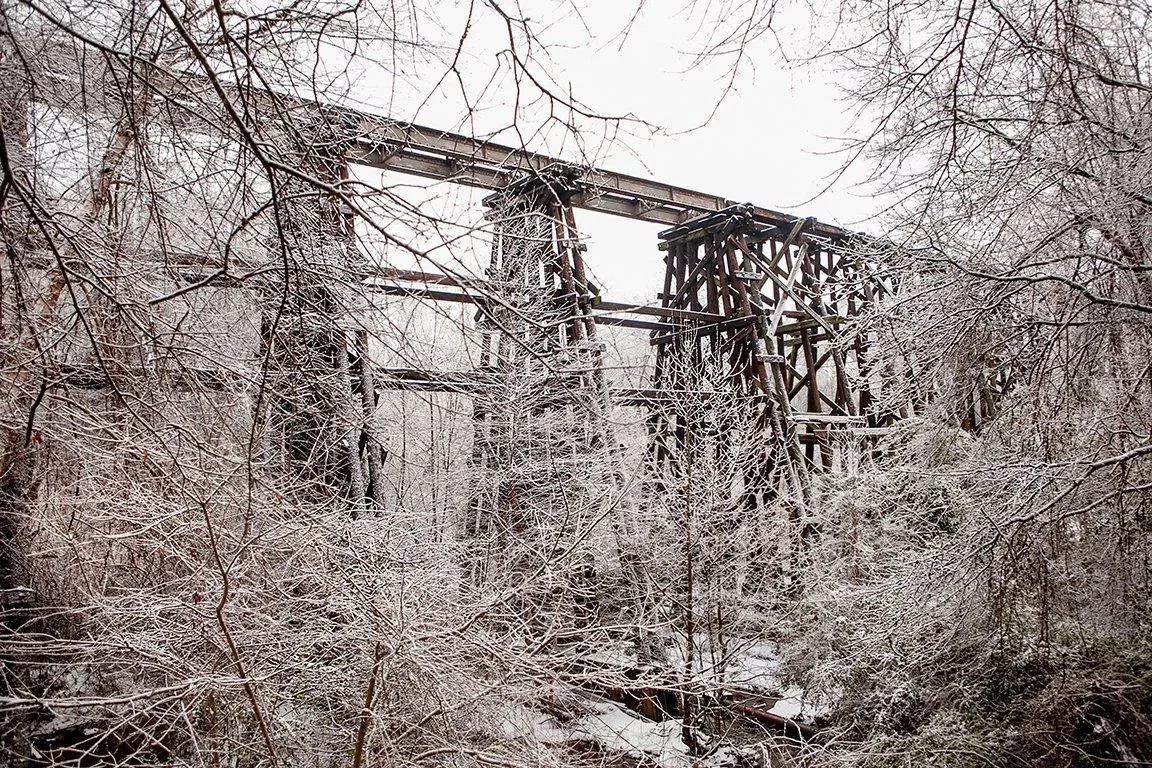
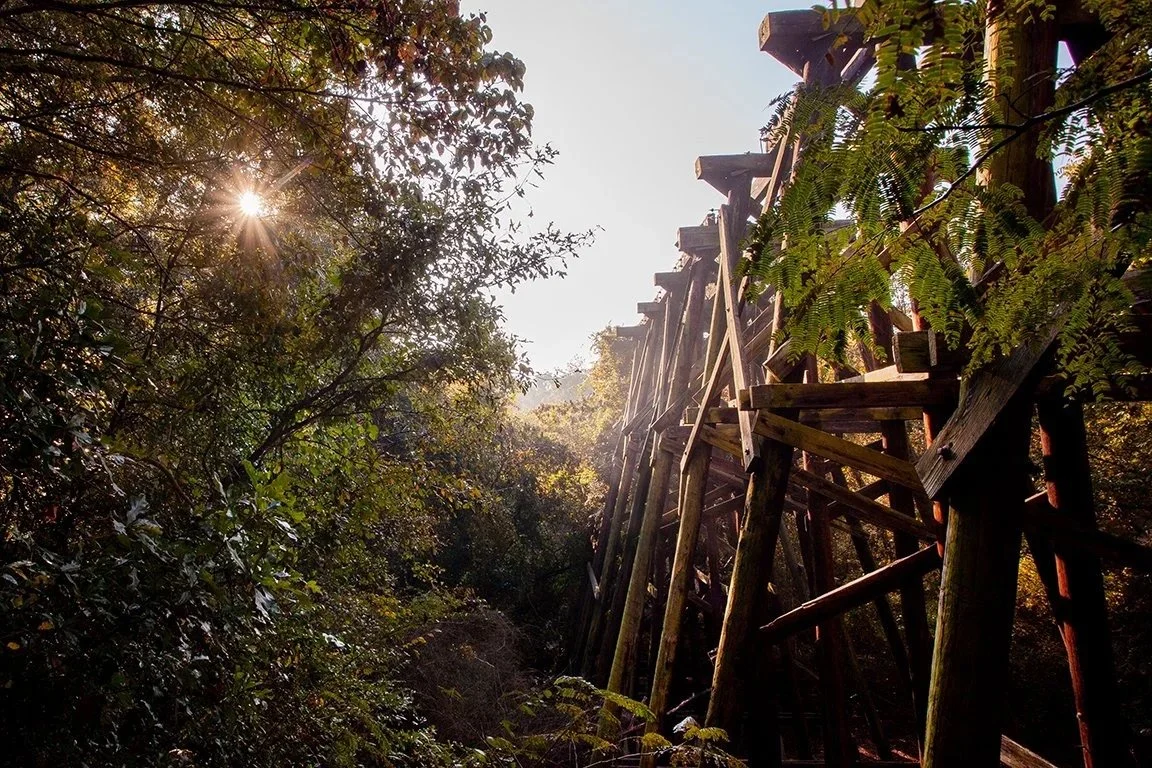
The back cover of R.E.M.'s influential 1983 album Murmur famously features an image of the wooden Trail Creek Trestle. Over time the aging nineteenth- century train trestle in Athens, Georgia, became known as, simply, the “Murmur Trestle,” a global pilgrimage site for fans of the band. Removed in 2021 to make way for a pedestrian bridge and bike path, the trestle has been captured for the ages in this new collection of photographs by Jason Thrasher.
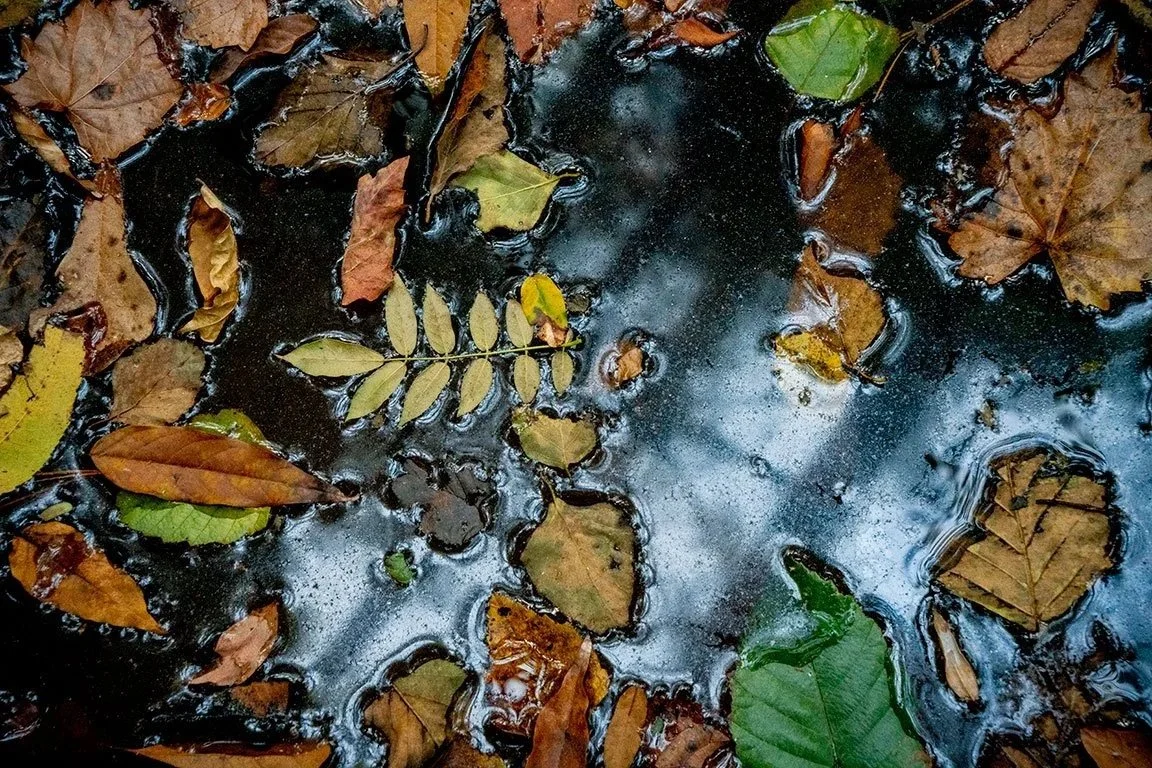
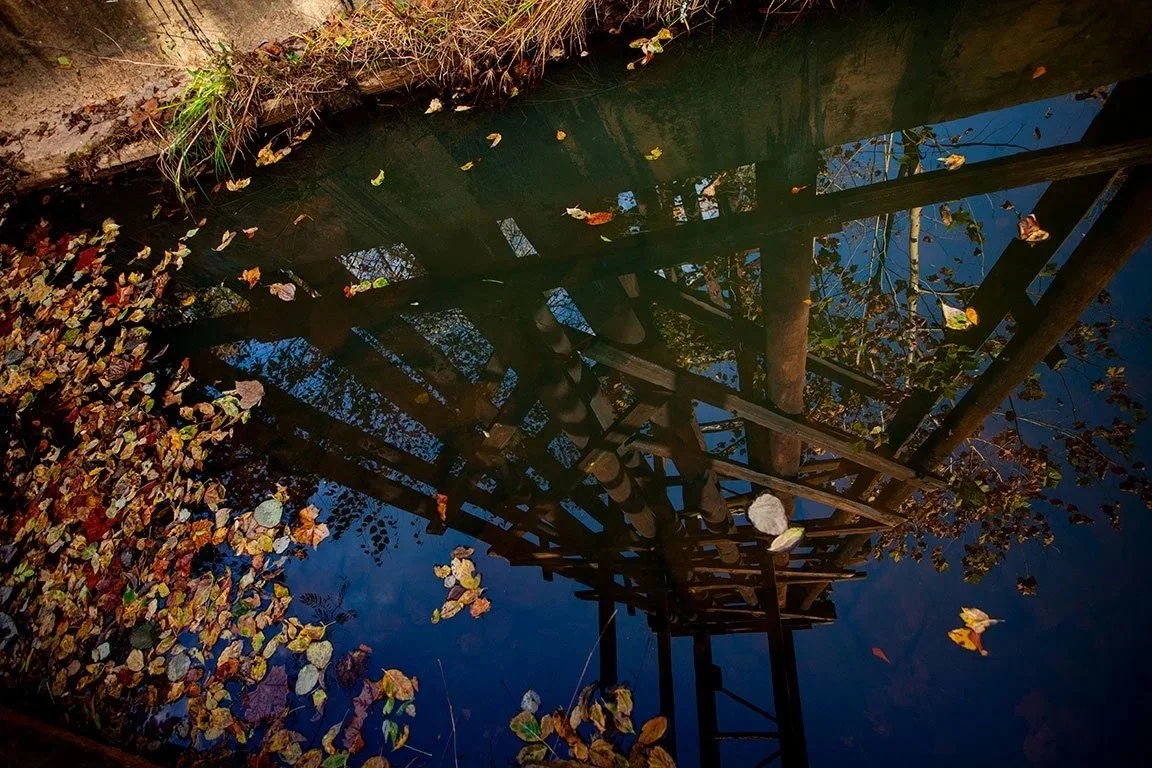
Thrasher spent six years focusing his lens on an immersive exploration of the Murmur Trestle, photographing it within its changing natural environment. His contemplative images encourage readers to engage in a visual meditation, urging them to closely observe and appreciate the details of the decaying subject. Thrasher’s keen eye and patient observation reveal the wonders of details large and small and the harmonious interplay between wood, light, nature, and the seasons.
Together with a foreword by Patterson Hood of the Drive-By Truckers and “Reason by Rot,” an original poem by MacArthur Fellow J. Drew Lanham, these images speak to the trestle's significance in the community, the region, and the world. Murmur Trestle encourages wanderers to find solace in the gentle rhythm of nature through the passage of time and to embark on personal journeys of introspection and connection with the world around us.
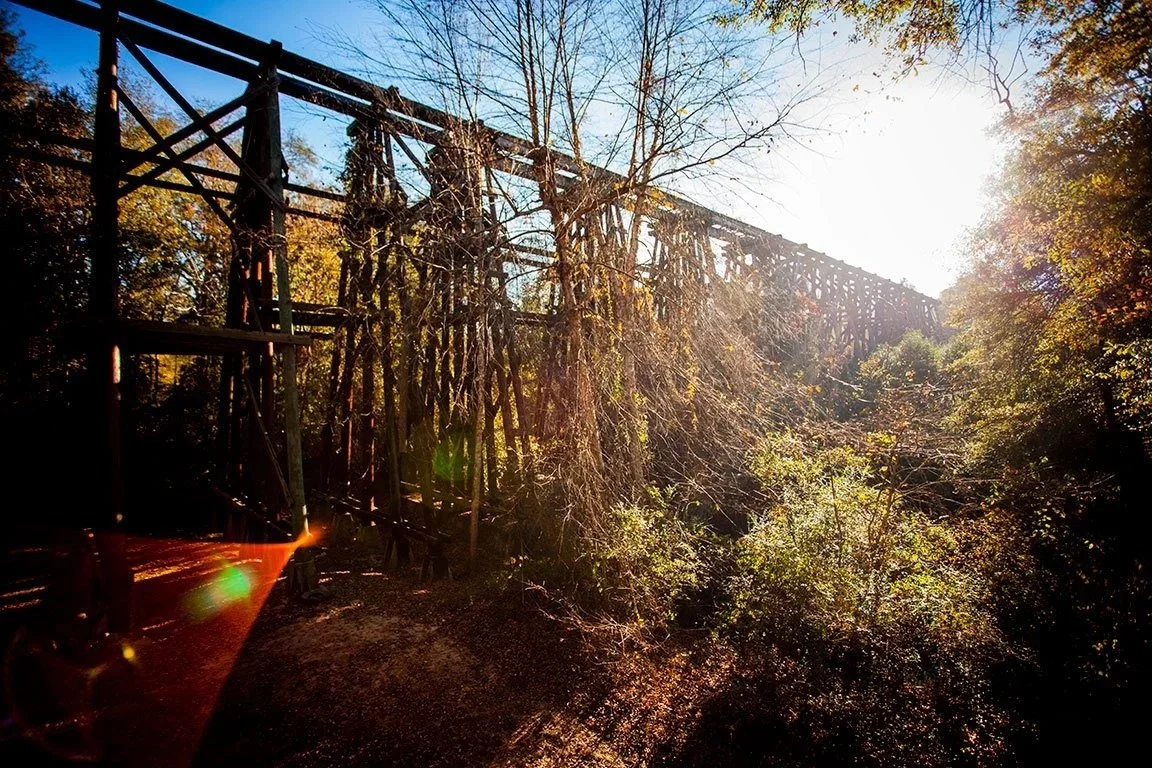
“Jason Thrasher’s photographs whisper to us, both up close and from afar, of a now-departed southern monument—the echoes of once-rumbling trains and, later, the bursting forth of southern alternative rock into popular consciousness. With the Murmur Trestle gone, the pictures conjure those intimate moments when Thrasher and the hard-worn bridge once communed together with the teeming spirit and restless power of southern nature.”
— Jeffrey Richmond-Moll, Ph.D. / Curator of American Art, Georgia Museum of Art
“Jason is a fabulous photographer who has always kept his finger on the vibrating pulse of Athens. Not surprisingly, this new collection meets the high standards he assigns to his craft.”
— Bill Berry / R.E.M. and The Bad Ends
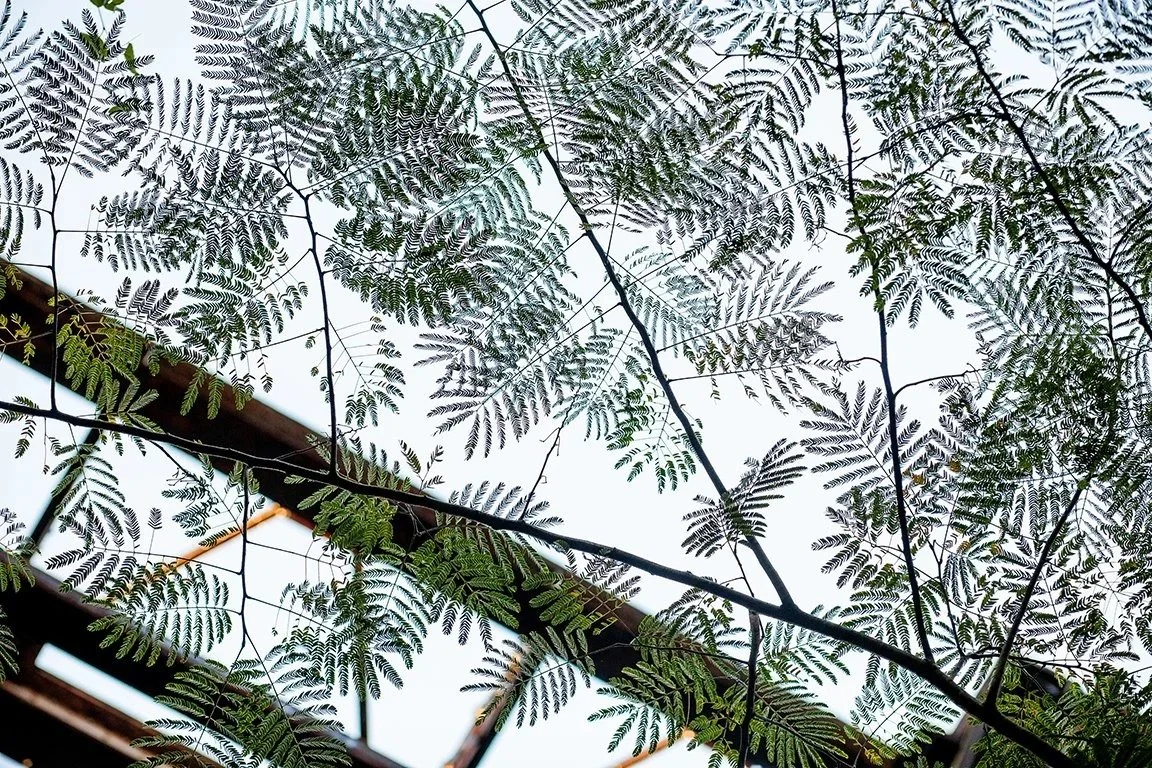
“Here are striking images that surpass imagination: boundless tangles of kudzu in the dying southern light, then unexpectedly, the trestlework rising up, it’s framework defying time yet suggesting the poetics of decay. A series of elegant images of the subject under a blanket of snow echoes a minimalist Japanese woodblock print.”
— James Herbert
“I have long been a fan of Jason’s photography and can think of no one better suited and able to capture this part of Athens’ history”
- Mike Mills / R.E.M.
Jason Thrasher captures the beloved ‘Murmur Trestle’ of Athens
By : Jocelyn Heath - ATL ARTS / Atlanta Journal Constitution
On the back cover of R.E.M.’s 1983 album, Murmur, is its namesake: a disused wooden railway trestle, featured in a wide shot, carrying the track listing as if down the line. In Jason Thrasher’s book of photographs, Murmur Trestle (University of Georgia Press, 2024), a more dynamic presence emerges, as his images document the wild, resonant beauty of the Murmur Trestle of Athens, Georgia.
Though the battle to preserve it is long lost and the structure gone, Murmur Trestle both elegizes a landmark lost and makes a compelling visual argument for the preservation of all abandoned, rewilding spaces.
Built in the 1880s, used through the 1990s and finally torn down for replacement with modernized walking paths in 2021, the Murmur Trestle graced the Athens area for more than a century — and also the back cover of the debut album of the alt-rock band of 1980s and 1990s fame, which started in Athens and played a number of Atlanta-area gigs, particularly in their early years.
The trestle held enough of a place in local hearts that many launched a sincere effort to stop its destruction by the Athens-Clarke County government — but to no avail. Happily for those who loved it, local photographer Thrasher documented the place over the span of a year and collected the images in Murmur Trestle as a sort of archive.
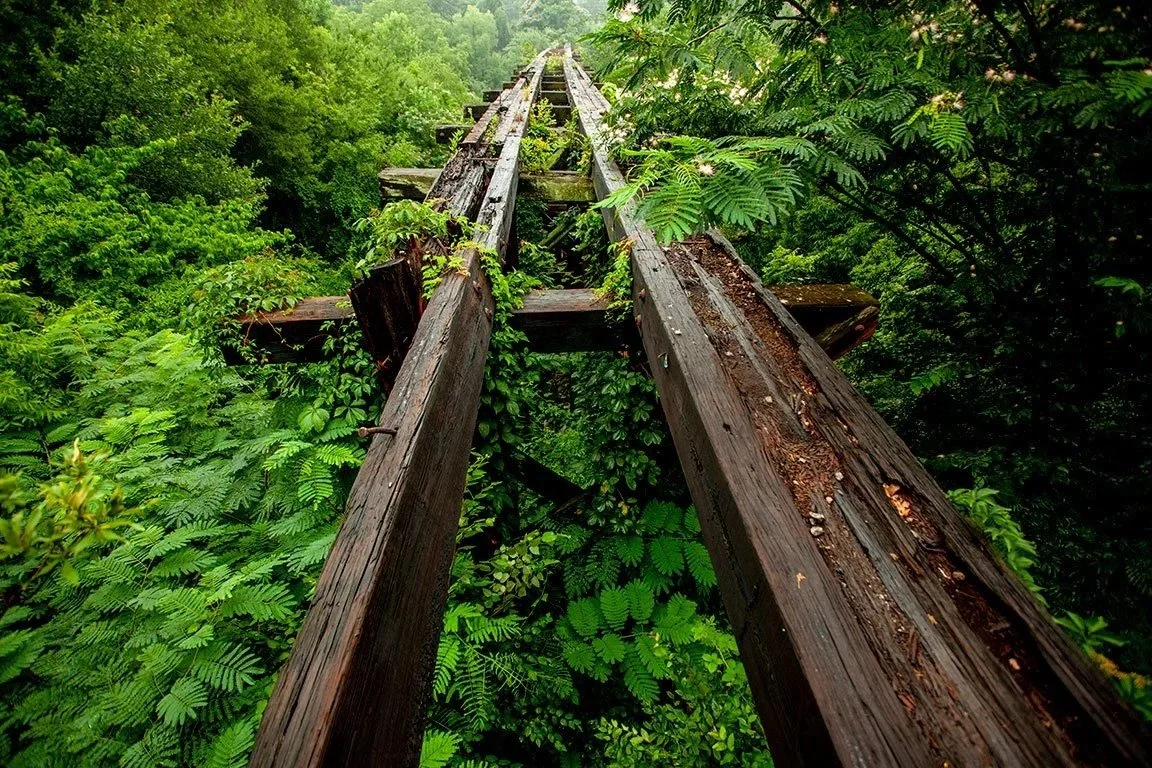
While “coffee table book” feels inadequate for a book of art such as this, the fact is that Murmur Trestle possesses a beauty that should not be relegated to a shelf. The cover shot of the crumbling rails disappearing into green forest canopy invites us on a journey through page and place.
The book opens with introductory reflections by musician Patterson Hood of Drive-By Truckers and by the photographer’s wife and business partner, Beth Hall Thrasher, followed by “Reason by Rot,” a long elegiac poem by J. Drew Lanham. The majority of the book, though, is the images themselves, presented without comment or adornment. In the spirit of the adage, the images are worth far more than a thousand words.
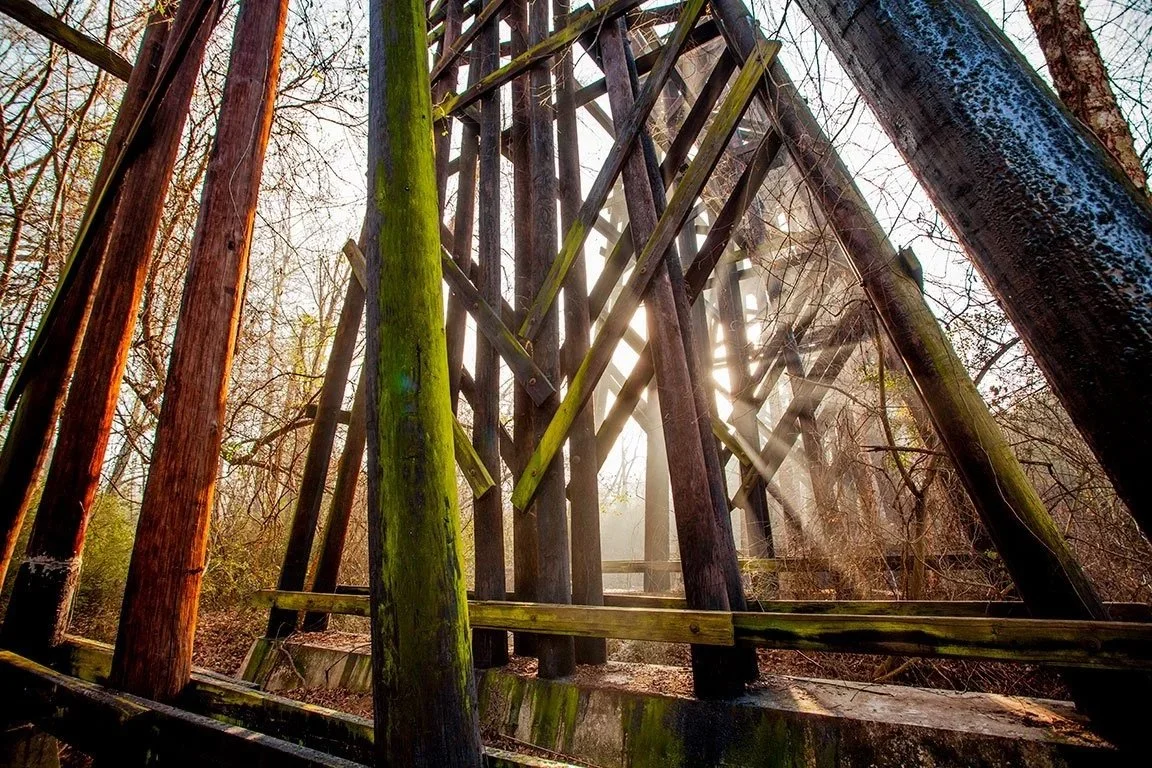
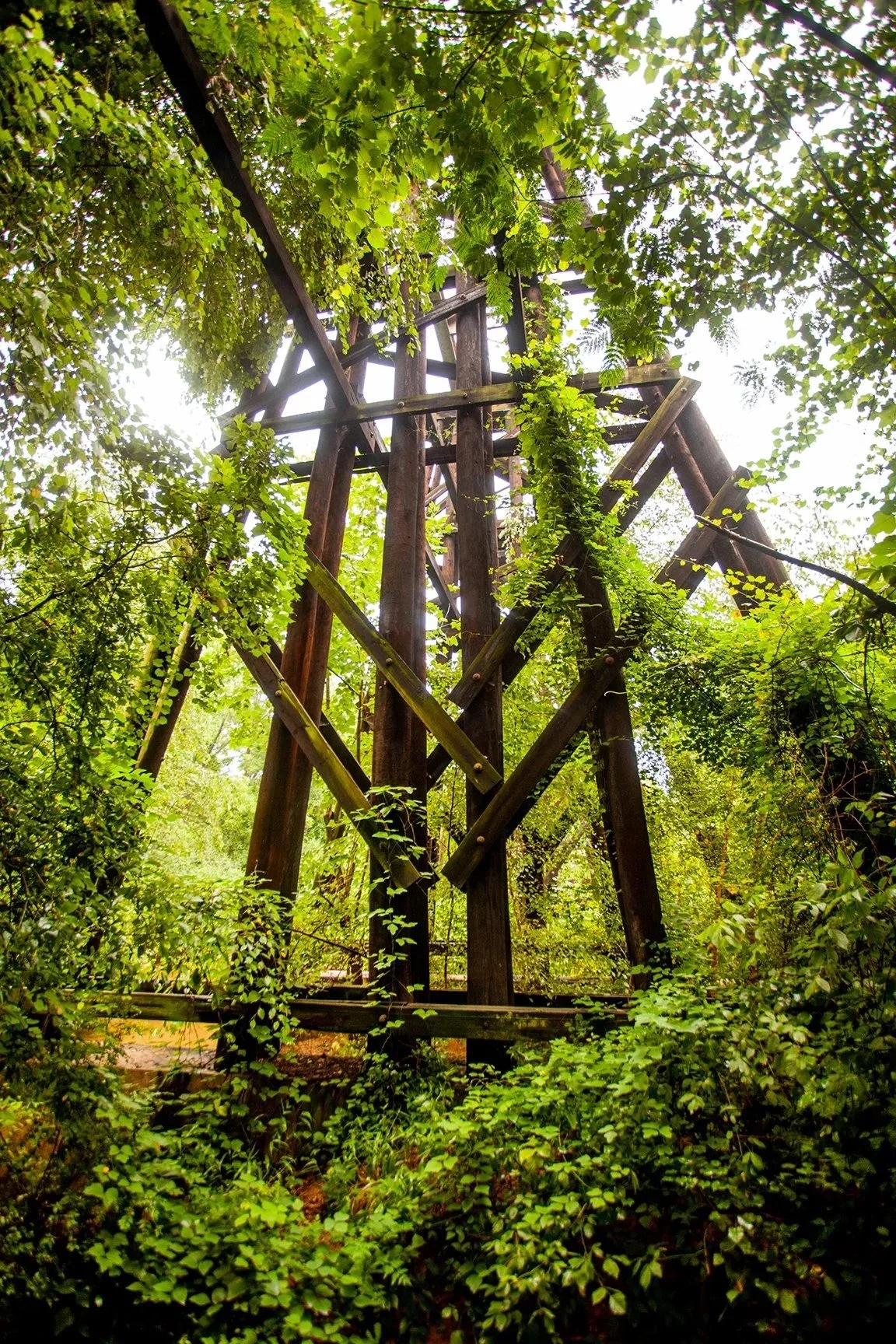
In exploring the photographs, which cover trestle and surroundings in four seasons, we find not a linear narrative but some key themes emerging, all of which support the importance of places where man-made and natural merge. The first and perhaps most profound idea is that of the spirituality of these abandoned places. In the image immediately following Lanham’s poem, we encounter the trestle shot from ground level, looking up into the beams and posts that intersect across the forest backdrop. Taken at a glance, we’re reminded of the intricate pattern of a church window, with wild green pews and sunbeams lighting up the congregation.
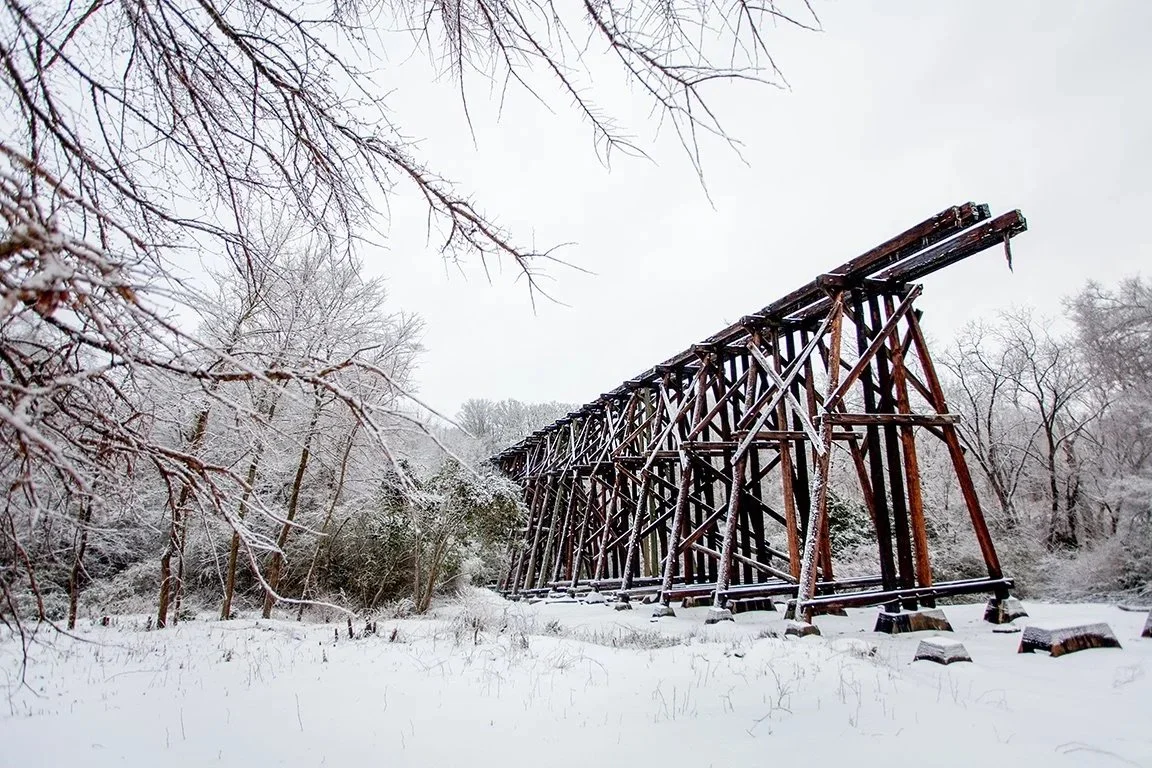
Another such shot, taken in a rare Georgia snowfall, puts viewers in mind of Emily Dickinson’s “certain slant of light.” Beams of a heavenly host, perhaps, or simply the power of nature — either way, Thrasher’s angles and lighting inspire a sense of reverence for the land and the trestle that was integrated within.
Another recurring notion, and the piece that perhaps makes the clearest defense of the trestle’s existence, is the notion of seamless integration between man-made and landscape. Early in the collection, Thrasher includes a distance shot of the trestle seen in winter through the tangle of leafless branches. At first glance, we see a chaotic brown lattice against a gray cloudy sky; only on closer inspection can we fully separate trellis from trees.
Elsewhere, Thrasher zooms in on the lime-green smudge of moss growing on rotting wood and later shoots directly upward to capture the dark tree trunks and trellis posts, both seeming to support a cloud of spring foliage. These and other images seem to inquire, “Who are we to interfere a second time, when nature has already done its work to reclaim the Earth?”
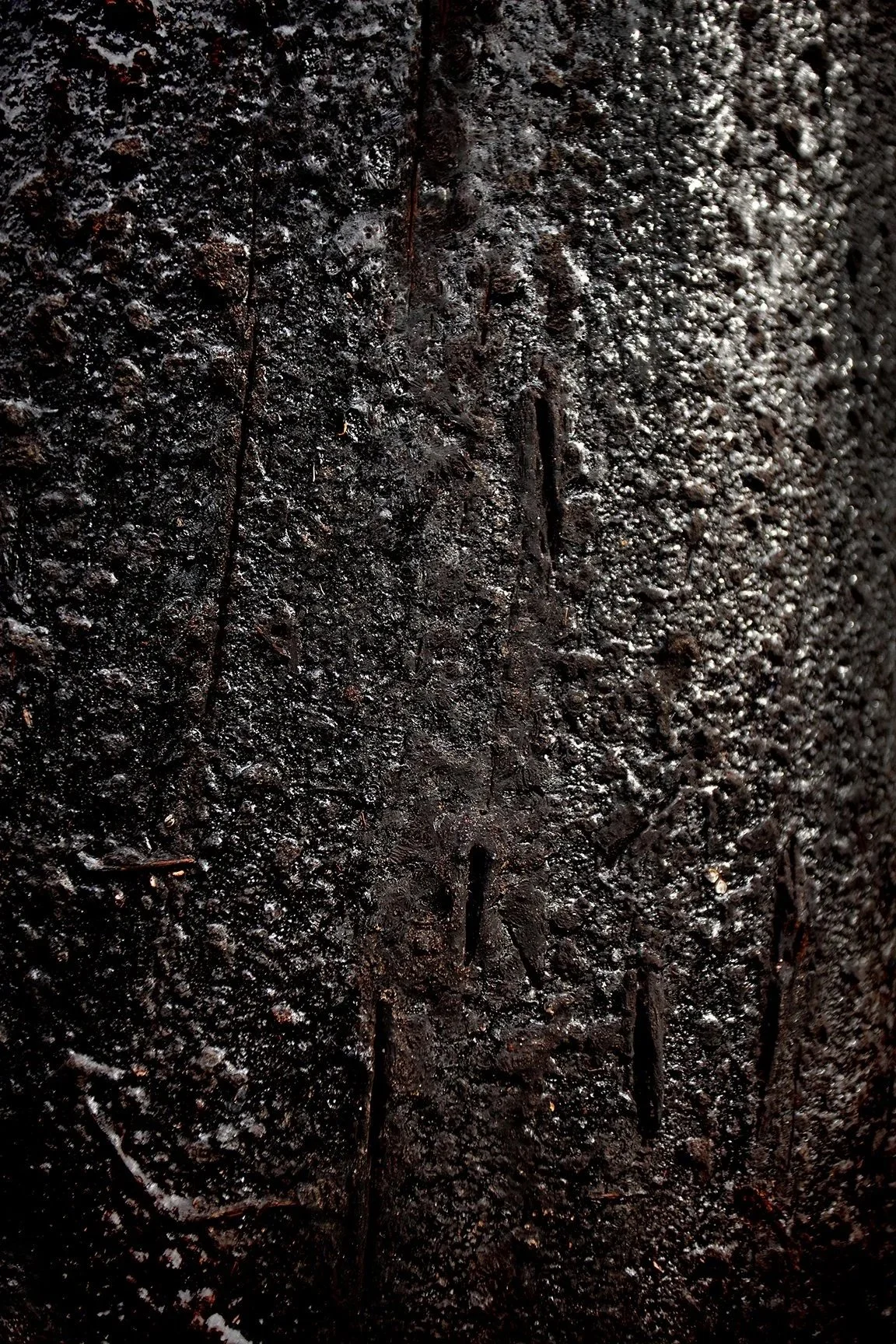
More than anything else, Murmur Trestle reminds us of the ever-changing nature of life itself. Drawing perhaps on his time at Plum Village Buddhist monastery, Thrasher shows us not simply the trestle itself but the world around it in all seasons — the lovely and the unappealing, the parts and the whole. We see scalloped brown fungus growing into a rotted, fallen railway tie. We see the rivulet of black tar frozen mid-drip, and we see the river in all its states: full and flowing, sickly green and stagnating. As Lanham reminds us in his poem, “We are what we are/until we cease to be that which we were” — a truth that applies to trees, objects and human beings equally.
Simple in composition yet rich in meaning, Murmur Trestle serves as a visual memorial for the wild corners and disused places that re-invent themselves in the heart of a community. While we’re reminded that, “it stands for reasons, then/that all things standing, must fall,” Jason Thrasher reminds us that even the fallen can go on living and remain beautiful in memory — even more so, that they should remain living.